When something suddenly pops in your knee, and you later feel as though the joint is locked, it is more than a nuisance. It is often the first indication of a meniscal tear. Being one of the most common knee injuries, a tear in this C-shaped pad of cartilage can make even the simplest actions, like turning, kneeling, or walking, a painful experience. It may have been caused by a sudden bend in the soccer field, or it may have developed gradually over time, but either way, the swelling, and stiffness can leave you feeling like you are sidelined in your own life.
The good news? Surgery is not always the first treatment option. Specific movement and professional instructions are effective recovery methods. Las Vegas experts at Suarez Physical Therapy are keen to make sure you regain balance, resume regular activity, and return to the activities you enjoy without fear of recurring knee pain.
Identifying Your Meniscal Symptoms
Being aware of the symptoms of a meniscal tear will help you determine whether you have a mild strain or a more severe structural trauma that requires professional assistance. Monitoring the behavior of your knee during the hours and days after a painful experience will help you better determine the extent of the damage. The symptoms typically follow a predictable sequence, starting with the original trauma, then progressing through physiological alterations, and eventually leading to mechanical dysfunction.
Acute Sensation
When you suffer a meniscal tear, the injury typically begins with sharp, localized pain caused by an acute twisting or pivoting motion. A characteristic pop might be heard or felt in the joint, but you may manage to resume walking or even complete whatever you are doing at the moment. The initial period is usually misleading because the inner parts of the meniscus are not well supplied with blood. The sharp, severe pain that comes with other ligament ruptures may not strike you immediately, misleading you about the structural damage that has occurred.
Delayed Swelling
During the period up to the first 24 hours after the injury, you will experience a slow progression of the stiffness and not a sudden ballooning of the joint. This swelling also takes a long time to appear and is commonly referred to as "water on the knee." It results in a heavy, full feeling that makes the joint feel tight and rigid.
This pressure may be most noticeable behind your knee or along the joint line, where your thigh bone and shin-bone meet. This filling of fluid is an indication that your body is reacting to the internal irritation caused by the jagged edges of the torn cartilage.
Limited Range of Motion
This swelling and this physical presence of the tear soon start determining the extent of movement you can make with your leg. You may be unable to straighten your knee and experience a rubber-like resistance when you attempt to lock your leg in a standing position. This is a feeling called a mechanical block. It occurs when a fragment of your meniscus, which is out of place, physically gets lodged in the hinge of the joint. Even simple actions, including walking downstairs or squatting to retrieve something, are suddenly accompanied by sharp and stabbing pains as the bones of your knee pinch the damaged tissue.
Mechanical Failure
These mechanical barriers will ultimately result in the most exasperating symptoms, which include catching, clicking, or locking episodes, where the knee becomes temporarily stuck in a bent position. There may be a sudden snag in any movement, or the knee may become trapped in a bent position, and you have to shake or wiggle your leg to regain the movement.
In other situations, your knee may suddenly give way or buckle, and you may find yourself feeling unsteady and uncertain about your own weight. These are the mechanical signals that indicate your body is telling you the internal shock absorber is no longer functioning smoothly. They are the first signs that the joint needs to be taken care of by a professional.
The Root Causes of Meniscal Tears
Understanding the underlying cause of a meniscal tear will assist you in deciding whether your injury is the result of a one-time event of trauma or a progressive weakening of your joint tissue. Although the symptoms may be similar, the forces involved in both sudden sports injuries and those that develop gradually due to degenerative changes over time can be different. By identifying the trigger point, you will be in a better position to understand how your particular lifestyle and physical history have contributed to your knee's current condition.
Some causes are:
Acute Trauma from Sports Injuries
A tear in the meniscus is sometimes caused by rotational force when one stands on a leg. Sometimes, in a sports case, this acute trauma comes about during high-impact games, like soccer, basketball, or football, where the individual has to pivot or change direction without warning. As your foot, which is stationary on the ground, and whose upper body and thigh turn and rotate forcefully against each other, the shear force involved surpasses the integrity of the cartilage. This abrupt squeeze and traction hold the meniscus between the tibia and the femur, and the tissue is torn instantly.
Aging-Related Degenerative Changes
Although sudden injuries are usual in younger athletes, a tear can also arise in a more gradual process referred to as degeneration. The cartilage can be destroyed by the passage of time as you grow older, since it naturally becomes brittle and thin due to the loss of its water and elasticity. This weakening or structural weakness means that daily tasks, like rising from a deep squat or stepping out of a car, can be sufficient to tear the meniscus. In either of these, you may not be able to tell the first time the accident happened. However, instead, you may find yourself gradually developing some level of discomfort as the tissue that has worn out is eventually unable to bear the tiniest mechanical pressure.
Weight and Lifestyle Issues
In addition to age and type of activity, several risk factors play a critical role in determining whether your meniscus will fail. When you participate in contact sports or work in a job that requires you to spend most of your time kneeling and lifting heavy objects, you stress these shock absorbers more rapidly, causing tissue fatigue to progress more quickly.
Moreover, the compressive forces at the knee joint are consistently increased with excess body weight. The cartilage is more prone to both acute injury and permanent damage. All this makes it the place where the slightest slip or an unbalanced step can result in a massive tear.
Types of Meniscal Tears
The shape of your tear and its location within the joint are crucial factors in determining the clinical severity of the tear. Since the meniscus is not uniform in its structure or access to nutrients, the classification of your injury is the main roadmap of your recovery. Knowing the anatomy of the tear, you will be able to more readily predict whether your body can repair the tissue itself or whether mechanical treatment will need to be more vigorous.
The first criterion for assessing your recovery potential is the red-white classification system, which characterizes the extent of tissue damage. Your meniscus is a cartilage that has an outer third, called the red zone. This has an abundant blood supply that supplies the cells with the oxygen and nutrients required for self-repair. When your tear is located in this zone, you stand a much better chance of healing with the conservative type of physical therapy or surgery.
On the other hand, the inner two-thirds, the white zone, are entirely deprived of a direct blood supply. Since this region cannot absorb the building blocks to repair itself, the white zone tears do not tend to heal naturally and may require a surgical trim to avoid further irritation.
- Radial and horizontal tears — The direction of the rip also influences the knee joint's functioning under pressure. The most frequent is the radial tear, which occurs across the width of the meniscus to reach the outer. Since this tendency destabilizes the circular fibers on which the knee relies to redistribute weight, it often severely affects the joint's ability to absorb shock. On the contrary, a horizontal cleavage tear moves parallel to the floor, which tends to divide the meniscus into top and bottom parts. Although these tend to be degenerative and age-related, they still cause painful flaps that snag during movement, which contribute to the clicking sensation you may experience as you undertake your day-to-day activities.
- Bucket-handle and flap tears — These are two tear patterns that often cause urgent mechanical problems. A bucket-handle tear occurs when, the most common type of it is the bucket-handle tear. This occurs when a large longitudinal tear allows the inside of the meniscus to shift toward the midpoint of the joint, similar to the handle of a bucket. When this happens to you, your knee will likely lock in position, bent, because the inverted tissue physically prevents the bones from being correctly aligned. In the same way, a flap tear is characterized by a small section of the cartilage being torn off and snagged on the knee hinge. Both patterns entail a considerable mechanical malfunction, where the pushed-over tissue acts as a foreign object in the space between joints.
The placement and pattern of the tear ultimately determine the surgical or rehabilitative approach. When you have a longitudinal tear in the red zone, surgeons usually try to repair it by sewing the tissue. This is with the hope that the blood circulation will reunite the edges of the tissue into a whole piece again. In the case of complex or radical tears in the white zone, however, the surgeon can also perform a partial meniscectomy, which is essentially a debridement. In this process, the unstable pieces that result in catching and pain are removed. This awareness can enable you to collaborate more effectively with your medical team to achieve long-term stability and well-being of your knee.
How Doctors Identify and Locate a Tear
A meniscal tear diagnosis begins with a physical assessment that examines your physical complaints and joint mechanics. In this first stage, a medical professional or physical therapist introduces specific provocative movements that stress the cartilage and elicit a reaction. You will probably undergo the McMurray test. Under this test, the practitioner rotates your lower leg while flexing the knee as they straighten it, searching for a typical clicking or thudding sound. Combined with a joint line tenderness assessment or sharp pain at the exact location of the meniscus, this mechanical feedback, along with the evaluation, is a significant clinical indication that the tissue is damaged.
Although these physical tests can provide instant hints, imaging is required to give the visual confirmation needed to ascertain the exact cause of the injury. An X-ray may be performed first, but it should be noted that it can only show bone and not a tear in the meniscus. Instead, physicians administer X-rays to exclude the possibility of fracture or to determine the presence of arthritis, which could be mistaken for meniscal pain. To visualize the soft tissue, it is necessary to undergo a Magnetic Resonance Imaging (MRI) scan. The MRI gives you close-up cross-sectional images of your knee, which makes the radiologist see the dark lines in the cartilage. This characterizes a tear and whether the injury is located in the blood-rich red zone or the white zone.
In case your symptoms do not disappear and your imaging is inconclusive with definite mechanical problems, then your surgical team can recommend a diagnostic arthroscopy. It is the most common procedure and is often regarded as the gold standard of diagnosis and treatment because it is performed through a small incision directly into the knee joint using a small camera. This enables the surgeon to visualize the meniscus and examine the tissue probing to establish its stability and strength. The advantage of this technique is that the surgeon can frequently diagnose the tear and proceed to repair it or trim the damaged tissue immediately. This restores the mechanical integrity of the knee within the same surgical procedure.
Non-Surgical Treatment for Meniscal Tear
A decision to use a non-surgical approach for a meniscal tear aims to control inflammation and restore the knee's mechanics, enabling it to heal naturally. This is the most conservative method, particularly when tears are located within the blood-rich red zone or in cases of degenerative tears that respond to lifestyle changes. By placing appropriate priority on a structured recovery plan, you can reduce the pain and resume the daily routine without taking the risks of invasive operations.
The following are the non-surgical treatment options:
The RICE Protocol
The initial management of the inflammatory response should include the RICE technique, which consists of rest, ice, compression, and elevation to control the inflammatory response. Resting the injured joint during the initial couple of days after your injury will help prevent aggravation of the torn area. However, applying ice will help constrict the blood vessels. Hence, the swelling that causes the joint to be sore will be limited.
Compression sleeves and continued elevation of the leg further promote the drainage of the extra fluid in the joint space. This is a required base for internal environment management, as it reduces pressure on the meniscus and enables the knee to undergo more active rehabilitation.
Strengthening and Physical Therapy
Once the acute swelling subsides, the emphasis should shift to a specialized physical therapy program designed to offload pressure on your meniscus. The meniscus is a shock absorber and, therefore, to protect it, you can work on the surrounding musculature, especially the quadriceps and hamstrings. These are the muscles that are used as the second backup system. When they are well and well-balanced, they take a large part of the load when walking and jumping, leaving your cartilage without having to wear out as much. The therapist will guide you through a gradual practice that will make your joint more stable and aligned, allowing your knee to move naturally without touching the sore spot.
Injections and Biologics
In case chronic inflammation is impeding your physical therapy gains, you should discuss injections with your medical team to fill the healing gap. A cortisone shot can provide a strong anti-inflammatory response. In a very short period, the swelling and pain that may be keeping you out of your strengthening exercises can be alleviated. Other alternatives, like hyaluronic acid injections, can be used to provide the lubrication needed to minimize friction in the hinge for those who prioritize joint health over time.
Furthermore, platelet-rich plasma (PRP) therapy is a similar approach that is gaining popularity for delivering concentrated growth factors to the site of injury, inducing an enhanced healing response in cartilage and complementing the effort you put in at the gym.
Find a Physical Therapist Near Me
A meniscal tear is a significant obstacle. However, it does not have to be the end of your active life. It could be that you are experiencing sharp pain, swelling, or that frustrating locking feeling, but the proper way to heal all depends on the correct method of recovery. Although surgery is occasionally necessary, in many cases, the most effective method of regaining stability and strength in your knee is through a specific rehabilitation program.
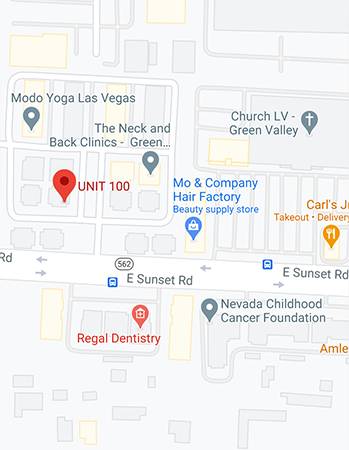
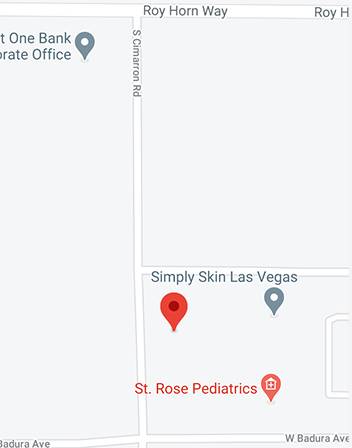
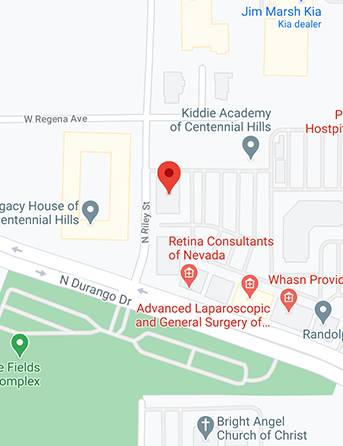
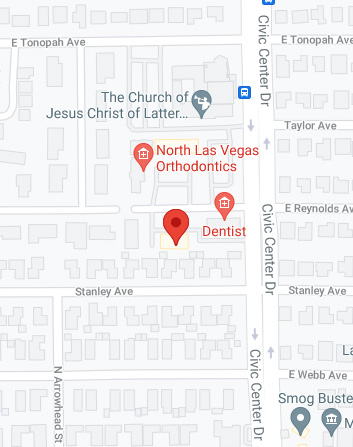
You should not allow the pain in your knees to keep you on the sidelines. At Suarez Physical Therapy, our Las Vegas experts will develop individual recovery solutions to help you move with confidence. Contact us at 702-368-6778 today to schedule an evaluation and begin a personalized plan toward pain-free movement.