Imagine if a loss of your body’s structural integrity occurred without any apparent symptoms. That is the silent fact of osteopenia, which is simply known as low bone mass. This is an early warning stage in which your bone mineral density (BMD) is below normal but not yet low enough to qualify as osteoporosis. Osteopenia generally has no external symptoms. You cannot feel bone loss. Instead, the condition operates in the background, making your skeleton so fragile that you risk suffering a fracture due to a minor fall or bump. Osteopenia should not be overlooked. It serves as an important early warning sign. Identifying the condition is the first step toward the lifestyle and dietary changes necessary to slow or stop bone loss.
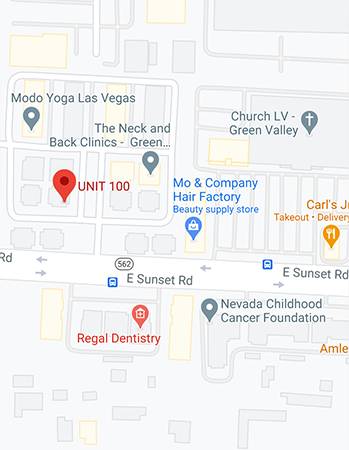
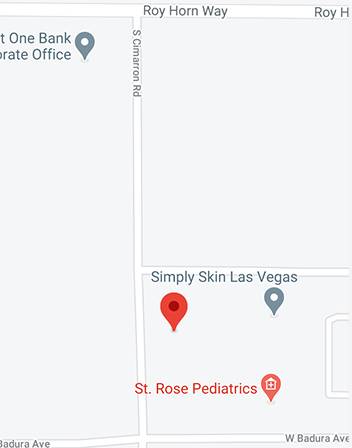
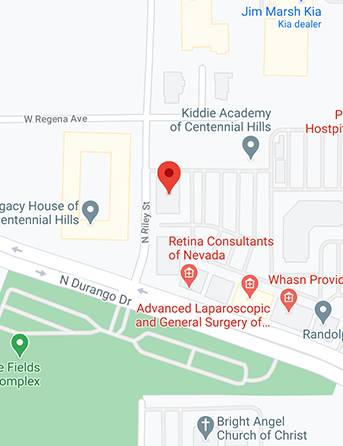
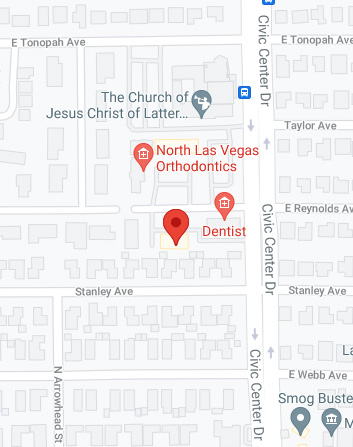
In case you have been diagnosed with osteopenia, or you have risk factors, discuss with your physician a bone health assessment in the near future. Do not wait for a fracture to occur before taking action. At Suarez Physical Therapy, we are ready to help if you are in Las Vegas.
What is the Difference Between Osteopenia and Osteoporosis?
While often mistaken for the same thing, osteopenia and osteoporosis are distinct stages of bone density loss, and osteopenia is a risk factor for developing osteoporosis. The distinction is that bone mineral density (BMD) loss is more severe, and the T-score is used to assess it based on a DEXA scan.
The most straightforward analogy is to imagine the internal workings of your bones as a complicated and strong honeycomb.
- Osteopenia (the warning) — In osteopenia, this structure of honeycomb starts to thin out, which means that your bones are becoming weaker than they are supposed to be. Imagine this phase as a thin cloth. This substance is more fragile and can easily tear, yet no holes are present. A T-score of -1.0 to 2.5 indicates osteopenia.
- Osteoporosis (the condition) — In osteoporosis, the loss of bone is severe. The wear and tear have progressed to the point where structural corrosion has occurred, resulting in holes and cracks in the honeycomb. This is the cloth containing holes. It is very delicate and highly likely to crack even under the slightest strain. A T-score of -2.5 or below is a diagnosis of this.
Importantly, when you are diagnosed with osteopenia, it does not mean that you will develop osteoporosis. Osteopenia is an opportunity to intervene. It is a condition in which bone can be stabilized or improved, and may even be halted or reversed by targeted dietary changes, physical exercise like weight-bearing exercises, and, in some cases, medication can be prescribed.
Physical Indicators of Advanced Bone Density Loss
Osteopenia, the forerunner of osteoporosis, is what they call a silent condition, as, in its early phases, it usually does not cause you any pain or striking symptoms. Gradual bone tissue thinning, in contrast to an acute injury, does not create the same amount of discomfort. Nonetheless, physical signs of bone compromise usually manifest themselves when your bones start to weaken, compress, or fracture.
Even at the osteopenia stage, the symptoms of advanced bone loss are not the feelings of pain but the structural changes in your body. They include:
-
Height Loss and Kyphosis
Loss of height is one of the most apparent signs of extensive and chronic bone loss in the spine. Losing more than 1.5 inches (4 cm) from your highest point in adulthood indicates that the bones of the spine, or vertebrae, are starting to compress or collapse because of a loss of density. This compression can occasionally cause a generalized backache, although it may be painless until a complete fracture occurs.
When the multi-spinal bones weaken and shrink, they no longer appear rectangular, but are remodeled into the shape of a wedge. This makes your spine curve forward, creating kyphosis, which is commonly known as a dowager hump. This structural alteration thrusts your head and shoulders forward, and this is clearly visible as vertebrae morph under the influence of bone deterioration.
-
Fragility Fractures
The most conclusive demonstration that a bone density is at a critically low level is a fracture of the bones caused by fragility. This occurs when a bone fractures due to the slightest trauma, that is, an injury resulting from a force equal to that of a fall from standing height (a low-impact event). A simple slip that leads to a hip fracture or even a wrist fracture is a vivid indication of loss of bone quality and density, necessitating the need to seek medical attention.
-
Deep Thigh Pain
A specific warning sign, especially when you are already taking bisphosphonates like Fosamax or Actonel, medications used to prevent fractures, is a dull and aching pain in the middle of the thigh or in the groin. A potential atypical femoral fracture (AFF) is a type of spontaneously occurring stress fracture that occurs in the mid-portion of the thigh bone (femur). The onset of this pain is usually gradual and deteriorates over weeks or months.
When you experience deep, dull pains in the thigh while using bisphosphonates, you should inform your doctor as soon as possible, as this indicates the need to discuss the continued use of the medication and prevent a potentially devastating femur fracture.
Diagnosis: The T-Scores and the DEXA Scan
To make an official diagnosis of osteopenia and determine your bone mineral density (BMD), physicians use the Dual-energy X-ray Absorptiometry (DEXA) scan. This is regarded as the gold standard for measuring bone density. A DEXA scan is one of the fastest, painless, and non-invasive methods of determining your T-score, which compares your BMD to that of a healthy young adult.
The critical action to take in diagnosing the degree of bone loss is to understand your T-score. The findings can be grouped into the following:
- Normal bone density — A T-score of between +1.0 and -1.0
- Osteopenia — T-score of less than -1 to -2.5. This range refers to low bone mass
- Osteoporosis — T-score of -2.5 or less. It means that bone loss is excessive and the chance of a fracture is high.
Recent recommendations include a DEXA scan for all women 65 years and older and men 70 years and older. If you are younger, you should consult your doctor about screening if you have certain risk factors. This includes a family history of osteoporosis, particular medical issues, or early menopause.
What Causes Bone Density Loss?
The loss of bone is an age-related phenomenon, but certain factors can accelerate this process at an extremely high rate, leading to osteopenia.
-
Hormonal Changes
Hormonal change is the most potent of all agents that bring about this decrease. In women, the most important biological factor that prompts the dramatic decline in estrogen levels during menopause is estrogen. It is a key factor in the slow process of breaking down bone tissue. In cases when the estrogen is reduced, the bone resorption is much higher when compared to bone formation. On the same note, low amounts of testosterone among men also affect skeletal remodeling.
-
Lifestyle Factors
Although hormones trigger the major risk, lifestyle issues are the significant accelerants that define the degree of bone loss. The habitual practices of your daily life can directly impact the body's ability to maintain bone density and absorb the necessary elements. An example of this is the introduction of toxins into the body through smoking, which destroys bone-building cells and directly hinders the intestinal absorption of calcium.
At the same time, excessive alcohol intake reduces the body’s ability to produce the hormones that help to protect the bones, and it also disrupts nutrient absorption. Moreover, bones must be subjected to mechanical stress to remain strong. Inactivity deprives the skeleton of stress, which can be walking or lifting weights, which is a message to the body to maintain and develop thick tissue.
-
Secondary Causes
In addition to the hormonal and lifestyle factors, some medical conditions and treatments result in what physicians refer to as secondary osteopenia. These causes actively prevent the pathways of nutrients in the body or disrupt the metabolism of bones. For example, the digestive system cannot absorb the necessary calcium and Vitamin D, as seen in cases like celiac disease or Crohn's disease, which starve the bones of their building blocks.
Similarly, the chronic intake of certain drugs, particularly glucocorticoids (steroids or prednisone), has a direct inhibitory effect on the bone-forming process, causing a rapid loss of bone density through decreased calcium absorption.
How Physical Therapy Can Help Manage Osteopenia
Physical therapy (PT) is a crucial non-pharmacological approach to slowing bone loss and significantly reducing the risk of fractures. PT is defined by the application of the principles of skeletal biology, utilizing precise and safe exercise.
The basis of successful bone therapy rests on Wolff's law, which is one of the fundamental principles that propose that the bone tissue responds and adapts to the stress applied to it. In simple terms, the cells that cause bone renewal in your body need to be stimulated by the mechanical loading due to gravity, movement, and muscle contraction of the bones.
To build new bone tissue, a special kind of cell known as osteoblasts comes into play and begins to work on a part of the skeleton that is at the most significant risk of being broken off. In the absence of this progressive loading, the bone-building process is slowed, resulting in a loss of bone density. Physical therapists apply this law to develop specialized loading programs. This ensures the stimulus is sufficient to stimulate growth while being controlled to reduce the risk of injury.
PT programs would counter the loss in the most vulnerable areas using site-specific loading. This is achieved by focusing on areas that are most prone to fragility fractures, like the hips and spine. Functional resistance exercises, which include step-ups, squats, or heel-drop exercises, which apply controlled, weight-bearing force, are used by therapists.
They can use resistance bands, free weights, or even a weighted vest. However, the resistance should be light at the beginning and gradually increase over time. Notably, the therapist demonstrates correct technique and avoids movements including spinal flexion (forward bending) or twisting, which may pose a threat to fragile vertebrae. This is a focused, wave-like pressure that directly commands the bones in the affected, familiar places of fractures to thicken.
As the rounded upper back (kyphosis) is one of the indicators of weaker vertebrae and the overall pain, this posture is one of the main objectives. Your physical therapist will prescribe specific exercises to help you overcome forward head posture, also known as forward rounding. These exercises will help strengthen the erector spinae (the muscles that support your spine) and the rhomboids, which are essential in drawing your shoulders back and improving your upper-back position. Improving posture eliminates unnecessary pressure on the weak anterior (front) aspect of the spinal bones. Directly addressing the structural alterations, PT will help stabilize your spine and reduce the risk of additional wedge-shaped compression fractures.
The most significant risk of osteopenia is not the low density, but the resulting fragility of fracture caused by a fall. Hence, a considerable part of PT is preventing falls. Balance and agility training, also known as proprioception training, is used by therapists to enhance the body's awareness of its position in space. This includes exercises such as:
- Single-leg stands
- Walking on heels-to-toes
- Walking on uneven surfaces
These exercises enhance neuromuscular control and response time by placing your balance in a safe and controlled setting. This comprehensive training will help reduce your overall risk of an accidental fall, as it will not expose your weaker bones to the acute, traumatic impact that can lead to a severe break. Your therapist can also advise you on the environmental changes you need to make in your home to create a safer living space.
Nutritional Strategies for Managing Osteopenia and Boosting Bone Density
The concept of treating osteopenia involves strengthening the core of your body. Thus, nutrition is a fundamental element of your treatment.
Calcium and vitamin D are the most critical nutrients for bone health. In terms of bone health, the first one is the material that is required to form bone, and the second one is the key vitamin D, which enables your intestines to absorb calcium efficiently. For most adults at risk of or diagnosed with osteopenia, the recommended daily intake is approximately 1,200 mg of calcium and 800 to 1,000 IU of vitamin D.
These nutrients should be obtained from whole food sources in the first place. Good sources of calcium include:
- Dairy products (milk, yogurt, cheese)
- Dark green vegetables (kale and collard greens)
Because obtaining the required amount of vitamin D in your diet and from the sun is difficult, your doctor might prescribe a supplement. Never start any new supplement regimen without consulting your healthcare provider to determine the appropriate dosage and whether it is necessary.
You should also be aware of certain food elements that can be bone-sabotaging because they inhibit the absorption of essential nutrients. Too much salt (sodium) and too much caffeine (in coffee, tea, and soda) can both cause your kidneys to excrete calcium more quickly. When you consume less of these products, the calcium you ingest can remain in your bones.
When Is Medication Needed?
Treatment of osteopenia is normally initiated with diet and exercise. However, in some cases, medication may be required to ensure that osteopenia does not develop into complete osteoporosis and result in a fracture.
Your T-score alone is not used to decide whether to prescribe medication for osteopenia because many individuals falling within the osteopenia range have a low risk of breaking a bone. In its place, physicians rely on the FRAX tool (Fracture Risk Assessment Tool). This calculator considers your T-score, age, sex, weight, a history of past fractures, and other risk factors that are critical to give you a 10-year likelihood of major osteoporotic fracture. As a rule, treatment is only administered to individuals in the osteopenia range with a high risk of 10-year fracture.
In the rare cases when your risk profile warrants it, your physician might prescribe you medicine to maintain bone density. The best-selling type is Bisphosphonates (which includes alendronate, brand name Fosamax), which act by slowing the activity of cells that break down bone and dissolve the bone tissue. The hormone replacement therapy (HRT), which substitutes the estrogen that provides bone mass, can also be recommended to women whose bone loss is directly related to menopause. The conversation about possible side effects and identifying an appropriate treatment is a collaboration with your medical professional.
Find a Physical Therapist Near Me
Low bone mass, or osteopenia, is a warning sign that should prompt proactive prevention. Although the condition does not have symptoms in many cases, it has a considerable risk of causing painful fractures.
With the help of specially developed weight-bearing and muscle-strengthening exercises, you can strengthen your bones and improve your balance.
Take action now, do not wait for a fracture to occur. If you are managing osteopenia, the path to stronger bones starts now.
Find a qualified physical therapist in Las Vegas today to start an evidence-based strengthening program. Call Suarez Physical Therapy today. We will develop a tailor-made, evidence-based exercise regimen to stabilize your bone density and help you live an active and confident life. Contact us at 702-368-6778.