Frailty is not just a natural part of aging. It is a health condition in which the body becomes less able to withstand physical stress due to declining strength and function across multiple systems. Early warning signs like unintentional weight loss, fatigue, and a slow walking pace cannot be overlooked. These factors increase the risk of falls, hospitalization, and loss of independence. These warning signs should be detected early to prevent further deterioration and ensure a good quality of life. With proper treatment, such as specialized exercises and rehabilitation, one can restore strength, enhance balance, and break the vicious cycle of frailty. Early intervention can help you stay active, safe, and confident during your daily activities. At Suarez Physical Therapy, our physical therapists in Las Vegas will help you regain strength, improve balance, and restore independence with personalized, evidence-based care.
Common Clinical Signs of Frailty
Medical practitioners use specific criteria to determine if a patient is experiencing weakness. The frailty phenotype comprises these five symptoms. The initial symptom is unintentional weight loss. If you have unintentionally lost ten pounds or more in the past year, it may indicate a loss of important muscle and fat tissue. This weight loss indicates that your body is in a catabolic state, breaking down its own tissues.
Self-reported exhaustion is the second symptom. You may have to work extremely hard on every task you take on. It is not merely being fatigued at the end of a long day. It is a profound feeling of exhaustion that cannot be relieved by rest. Weakness is the third symptom, and clinicians typically assess it by measuring grip strength. When you find it hard to open jars or to carry small objects, your muscle quality is deteriorating.
The fourth symptom is slow walking speed. You may find it difficult to cross the street or walk along a hallway. One key sign you have a compromised balance and strength is a slow gait.
The fifth symptom is lack of physical activity. When you spend most of your time sitting and hardly moving, your body will continue to lose its functional ability. Having three or more of these attributes indicates that you are clinically weak. By detecting these signs early, you can intervene with physical therapy.
Understanding Frailty-Related Conditions
How Sarcopenia and Low Grip Strength are Diagnosed
The loss of muscle mass and strength with age is a medical term known as sarcopenia. This is one of the major symptoms of frailty. You will find that your legs and arms are thinner than before. This muscle tissue loss makes it more difficult to perform simple daily activities. One of the surest methods of measuring this loss is low grip strength.
A hand dynamometer measures grip strength by recording how much force your hand muscles produce when you squeeze it. This test provides a good overview of your body strength. When your grip strength is low, you are more likely to fall and become disabled. Physical therapy aims to undo this loss of muscle.
During your physical therapy sessions, you will perform exercises that help your muscles grow stronger and work more efficiently. Everyday movements like standing up from a chair or supporting your body require strength, and weak muscles can put extra stress on your joints, leading to pain. Building muscle with professional guidance helps protect your joints and supports a healthy metabolism. As your strength improves, you will find it easier to handle daily activities.
Walking Speed and Mobility Challenges
The pace at which you walk is a strong indicator of your health and lifespan. When you walk slowly, it is most likely that your brain, muscles, and heart are having trouble cooperating. Mobility limitations often begin with subtle changes in movement. You may start taking shorter strides or stomping your feet.
This waddling walk will make you more likely to fall on a rug or a curb. To measure your gait speed, a physical therapist will have you walk over a short distance. A slow pace of less than one meter per second might indicate a first phase of weakness. This is a low speed usually caused by weak leg muscles and poor balance. Your body decelerates because it is unstable.
Physical therapy will help you walk better by strengthening your core and lower body. Balance exercises, which help your brain synchronize your movements, will also be practiced. By walking faster, you are more confident while you are taking a walk in the street. It enables you to move more fluidly and saves the physical energy you would otherwise use to move from one place to another.
Health Problems That Make Frailty More Complex
Various medical conditions often coexist with frailty and aggravate its symptoms. Two of the most significant problems that concern your bones and muscles are sarcopenia and osteopenia. Osteopenia is a condition in which bone density is reduced. This causes your bones to be weaker, and they tend to break if you fall.
Another cause of frailty is chronic inflammation. This is commonly referred to as inflammaging. It is one in which your body remains in a state of low-grade inflammation. This swelling kills your healthy cells and prevents your muscles from healing. You may also have comorbidities such as heart disease or diabetes. These diseases cause additional stress on your body and drain your energy.
If you experience several health issues, the chances of you growing weak are very high. Physical therapy addresses these conditions by adjusting the intensity of your exercises to match your abilities and goals. A therapist ensures that your workout regimen does not overstrain your heart or your joints. Addressing these underlying conditions is crucial to addressing frailty. With better physical functioning, you can also better manage your other health problems.
Sarcopenia as a Major Cause of Physical Frailty
Sarcopenia causes a deficit of reserves in your body by breaking down muscle tissue. Movement is not the only purpose of your muscles. They also serve as a storage site for amino acids and help regulate your blood sugar. These are the health benefits that you lose when you lose muscle. This tissue loss occurs at a cellular level.
Your muscles contract, and over time, some muscle tissue may be replaced by fat or fibrous tissue. This weakens the remaining muscle and reduces its ability to generate force. You may notice your legs feel heavy or that it is hard to move quickly. Physical therapy can help by using progressive resistance exercises to rebuild strength and improve muscle function.
This means gradually increasing the weight or resistance during your exercises. This challenge signals your body to build new muscle fibers. Even in older age, your body can still develop muscle, which is essential for overcoming frailty. The more muscle you gain, the better your metabolism becomes, giving you more energy to stay active and enjoy your day.
Bone Density Loss and Chronic Inflammation
Your body can remain weakened due to internal stressors, such as chronic inflammation. While inflammation is helpful during injury healing, persistent inflammation can start damaging your body.
Constant inflammation makes it harder for even minor illnesses to heal and can accelerate bone loss. With weaker bones, a simple fall can lead to serious fractures, such as a broken hip or wrist.
This is why physical therapy often includes weight-bearing exercises. By applying weight to your bones, your body responds by increasing bone strength and density, helping protect you from injury.
This is an essential process of fracture prevention. A therapist will advise you on how to load your bones safely without injuring them. Movement and proper care will reduce inflammation in your body and restore balance.
You will be less rigid and more able to move your limbs in their entire range of movements. One of the most crucial components of a frailty management plan is protecting your bones and minimizing internal stress.
How Physical Therapy Reverses Frailty Symptoms
One of the best methods of reversing the frailty symptoms is through physical therapy. It concerns the principle of plasticity, meaning that your body can evolve and adapt even in old age. As a therapist, I will use different clinical interventions to move you up the Clinical Frailty Scale.
This scale helps you monitor your progress from a weak person to a stronger one. Progressive resistance training is one of the major interventions. This means that you can use weights or elastic bands to test your muscles.
The other area is gait training. This helps you walk more naturally and safely. Your physical therapist will also recommend aerobic conditioning to enhance the health of your heart and lungs. Such therapies are not universal. They are made to suit your present level of ability. The aim is to challenge you enough to make your body work harder without leaving you too tired.
The most significant aspect of this process is consistency. With the physical reserve you need, you develop by attending your sessions and adhering to the plan. This backup is a health insurance policy. Should you fall ill in the future, your robust body will heal much more quickly.
High-Intensity Muscle Resistance Training
High-intensity resistance training is a type of exercise that focuses on heavy loads in brief intervals. Most individuals believe that elderly individuals need to engage in light exercise only; However, more resistance is usually more effective in muscle growth.
Such training causes hypertrophy, which is the process of increasing the size of the muscle cells. You will do exercises such as squats or leg presses under your therapist's guidance. They ensure that your shape is flawless so that you do not strain your joints. This training also enhances the relationship between your brain and your muscles.
Your nervous system learns to recruit additional muscle fibers simultaneously. This makes the muscle gain strength very fast before it begins to enlarge. Training your big muscles, such as your thighs and back, is the foundation for all your daily movements. You will discover that you can rise out of a low sofa or take a gallon of milk with a great deal less difficulty. This augmentation of strength is a direct counterdefense of the debilitating frailty.
High-intensity resistance training is also beneficial for bone health, in addition to enhancing strength. Applying controlled stress to the skeletal system stimulates bone density and reduces the risk of fractures. It can enhance balance and coordination, as your body has to stabilize during difficult movements. Over time, these exercises make you more resilient, and you can carry out daily activities with less fatigue.
Mental benefits are also significant, as the focus required to maintain proper form and perform exercises correctly enhances cognitive function and body awareness. This integration of strength, balance, and endurance is a holistic approach to remaining independent and mobile and generally living a good life, particularly for frail older adults.
Balance and Body Awareness Training to Prevent Falls
When you are weak, falls are a significant threat. One fall may result in loss of independence and a protracted stay in hospital. Balance training is aimed at stabilizing you on your feet. You will do exercises to test your center of gravity. For example, you can practice standing on a foam pad or walking heel-to-toe, which helps improve balance and coordination by challenging your body to stay stable in different positions.
Proprioception is your body’s ability to sense its position in space. This sense can become weaker with age. Physical therapy helps retrain the sensors in your muscles and joints, allowing your body to make quick, subtle adjustments to maintain balance and prevent falls. You will also train to strengthen your ankles and hips, which are the primary joints used to provide balance. Reducing your fear of falling is just as important as the physical training itself.
If you are afraid of falling, you may move less, which can make your muscles weaker. Balance training helps you walk confidently on different surfaces, such as grass or uneven sidewalks. Building this confidence allows you to stay active and enjoy a more fulfilling, independent life.
Endurance Strategies to Overcome Fatigue and Exhaustion
When everyday activities start to feel tiring, it is a sign that you need to improve your stamina. A common cause of fatigue in frailty is the loss of mitochondrial function, which is the tiny power plants in your cells that produce energy. Without sufficient exercise, your mitochondria become less efficient, leading to increased fatigue. Aerobic conditioning helps restore their function and boosts your overall energy.
You can ride a stationary bike or a treadmill at a very slow speed. With time, your heart learns to pump blood more efficiently, and your muscles learn to utilize oxygen more efficiently. It means that you will not be so out of breath when walking to the mailbox or up a flight of stairs.
To ensure your safety, a therapist will measure your heart rate and oxygen levels. They will also educate you on energy-saving measures. This will help you organize your day-to-day affairs so you do not exhaust all your energy in a single day. Overall, fatigue is reduced by building stamina. You will be more energetic about participating in activities you enjoy, such as playing with your grandchildren or having a meal out.
Supporting Nutrition and Managing Medications to Combat Frailty
What you eat plays a key role in your physical recovery. Nutrition is a crucial part of managing frailty, especially because protein is essential for building and maintaining muscle. Many older adults do not obtain enough protein to support muscle growth. Your physical therapist will review your eating habits and may suggest consulting a dietitian for guidance.
It is also crucial to consider the medications you take, as they can affect your overall health and muscle function. This is referred to as polypharmacy management. In some cases, medications have side effects that may leave you feeling weak, dizzy, or tired.
Such side effects can mimic the symptoms of frailty. Your therapist can assist you in determining whether some of the movements exacerbate your medication side effects. They can also liaise with your doctor to ensure your medicines are not slowing your physical progress.
These complex issues can only be addressed through a multidisciplinary approach. With the right nutrition, medication control, and physical therapy, you are providing the most suitable environment for your body to recover. This holistic perspective ensures that every aspect of your health is on the right track.
Find a Frailty Specialist Physical Therapist Near Me
Managing frailty requires a proactive and specialized approach to rehabilitation. The loss of muscle and poor balance are among the symptoms that may reduce independence and predispose you to falls and injuries. Nevertheless, strength can be restored, stability can be enhanced, and the overall quality of life can be improved with the help of the appropriate physical therapy program. Exercise programs such as resistance training, gait aids, and endurance exercises can help regain physical activity and confidence.
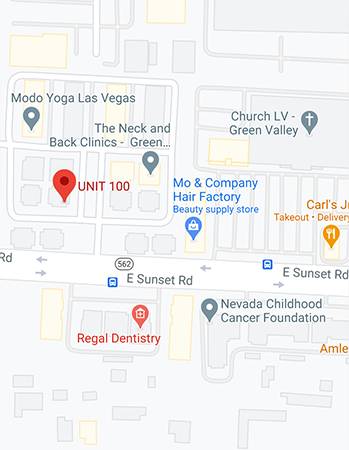
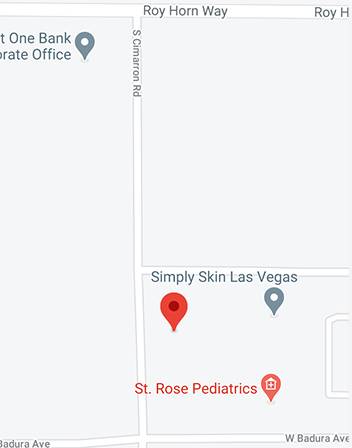
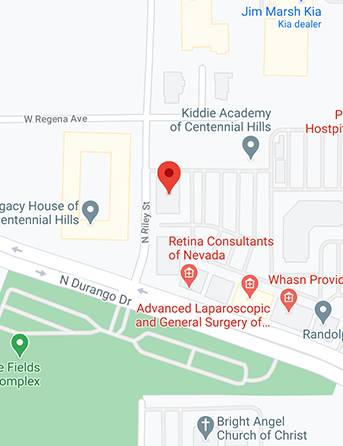
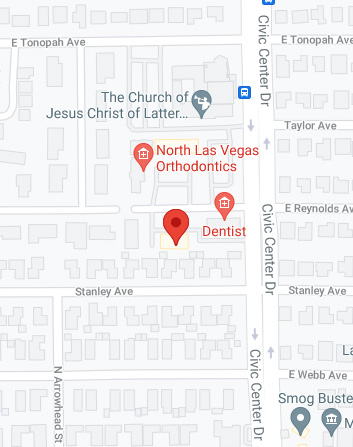
At Suarez Physical Therapy, our physical therapists in Las Vegas are ready to develop individualized treatment plans to enhance strength, balance, and mobility. We will help you regain independence and live safely and confidently. If you or someone you love is showing signs of physical deterioration, it is time to act. Contact us today at 702-368-6778 to schedule an appointment.