Osteomyelitis of the jaw (OMJ) is a severe infection of the jaw's bone marrow, typically caused by dental infections or surgical complications. Unlike a common toothache, OMJ is a progressive bacterial infection that can cause damage to the bone tissue and long-term functional issues if left untreated. Symptoms usually include intense throbbing pain, swelling, or facial asymmetry. You may also develop trismus, which causes difficulty opening the mouth due to muscle tightness.
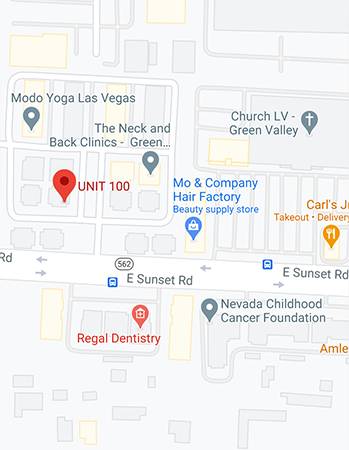
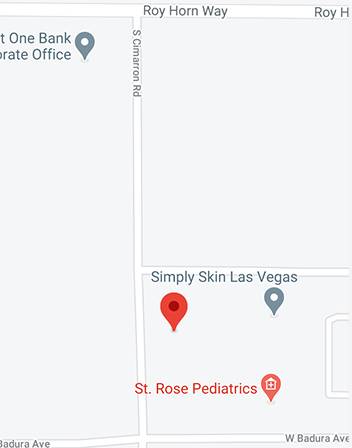
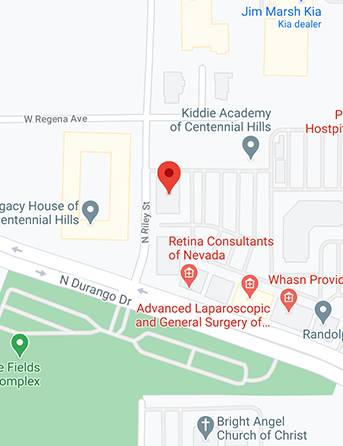
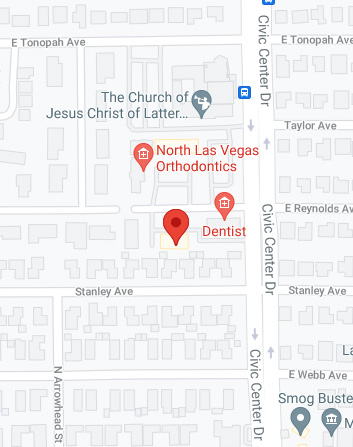
If it is diagnosed and treated early, there is a chance of avoiding complications like bone death, bone fragments, and nerve problems. Once the infection is medically stabilized, rehabilitation is an essential component in restoring jaw mobility, reducing chronic muscle pain, and enhancing overall oral function. At Suarez Physical Therapy, our physical therapists in Las Vegas are ready to help you regain jaw mobility and minimize pain. We will provide you with a customized rehabilitation program that maximizes function.
The Clinical Presentation of The Early Signs of Jaw Bone Infection
Early clinical signs of jaw osteomyelitis can be identified, and prompt intervention can prevent irreversible bone loss. The early signs and symptoms can resemble common dental problems, but the severity and duration of the symptoms differentiate this serious inflammatory condition from normal postoperative discomfort or common toothaches.
Ongoing, Deep, Throbbing Pain
Osteomyelitis of the jaw usually causes deep, constant pain originating from within the bone marrow. This may be dull, diffuse pain, unlike the pain of a cavity, and may spread across your entire jawline and into your ear or temple.
You may notice that the pain from the inflammation does not improve with over-the-counter painkillers as the pressure in the bone increases. This pain is not relieved by chewing or talking, may wake you from sleep, and may feel like pressure all the time. The initial pain is localized and then spreads to a larger area as the bacterial colony grows in the medullary spaces of your mandible or maxilla.
Gum Swelling and Erythema (redness) in Small Areas
In addition to deep bone pain, patients often experience visible oral changes, including significant swelling and redness of the gums around the affected area. This is called erythema and occurs when the body increases blood flow to deliver immune cells to the area. The gums will look shiny, stretched, and dark red or even purple.
The swelling affects both the soft tissue and the bone, and the area may feel firm to the touch. This inflammation can make it hard to close your teeth together normally, as the swollen tissues physically block your normal bite alignment.
Unexplained Loosening of Multiple Teeth
As the infection weakens the bone that supports your teeth, nearby teeth may begin to feel loose or unstable. This happens because inflammation gradually damages the tooth sockets that hold the teeth in place.
You may notice your jaw or teeth feel unstable when talking, swallowing, or chewing, making it difficult to eat solid foods comfortably. Unlike trauma, which usually affects a single tooth, osteomyelitis often involves a larger area of the jawbone, causing several teeth to become loose at once.
This happens because the infection weakens the alveolar bone that supports and anchors the teeth. Tooth mobility is a critical warning sign that the infection has compromised the jawbone's strength and stability.
Pus in the Mouth or Bad Breath
As white blood cells, bacteria, and dead tissue build up, pus may form and drain into the mouth. A constant salty or bitter flavor may be noticed, particularly when pressure is applied to the gums or jaw line. This drainage can lead to a characteristic foul breath that does not go away with brushing, flossing, or mouthwash.
The smell is caused by the metabolic activity of anaerobic bacteria in the oxygen-deficient areas of infected bone. Small openings may develop in the gums that allow fluid or pus to drain, which is a sign that the infection is trying to release pressure building inside the jaw.
Advanced Progression (Systemic and Neurological Indicators)
If the infection is not controlled, it spreads from the affected bone tissue to affect your nervous system and general health. These advanced signs are indications that the disease is moving into a more serious stage, which may result in extensive complications or permanent nerve damage if you do not receive full treatment.
Numbness of the Lower Lip or Chin
One of the most notable neurological symptoms of advanced mandibular osteomyelitis is numbness or a “pins and needles” feeling in your lower lip or lower jaw line. This is due to the direct pressure of the infection and swelling on the inferior alveolar nerve as it passes through the mandibular canal.
Drinking may be difficult to feel the rim of the glass, and you may not notice that you are biting your lip, as the sensation is not felt. This paresthesia indicates that the inflammatory process is invading the major neural pathways. When pressure is prolonged, the nerve can be permanently damaged, resulting in loss of sensation in the lower part of your face.
Trismus (Limited Mouth Opening) Develops
Inflammation of the jawbone often extends to the muscles of mastication, especially the masseter and the internal pterygoid, leading to trismus.
Your mouth will be much more difficult to open, and you may feel as though your jaw is locked or is very limited. This protective muscle response is meant to prevent further pain, but makes eating, talking, and oral hygiene difficult.
Over time, limited jaw movement can weaken the muscles and cause stiffness in the temporomandibular joint, making recovery more difficult and often requiring specialized physical therapy to restore normal movement.
Systemic Involvement (High Fever, Chills, and Malaise)
As the infection spreads, your body may develop systemic symptoms that affect your overall health and well-being. Common signs include a high fever, chills, and excessive sweating, which can indicate that the infection or its toxins have entered the bloodstream or that your immune system is responding strongly to the infection.
You may experience extreme fatigue and a general feeling of illness, making everyday activities difficult. Other symptoms can include headaches, body aches, and flu-like discomfort, along with persistent facial pain. These signs may indicate that the infection is spreading beyond the bone and could increase the risk of serious complications such as sepsis if not treated promptly.
Swelling of Regional Lymph Nodes and Neck Lymph Nodes
You might find that the lymph nodes below your jaw and on the sides of your neck are swollen, hard, and painful when you touch them. This regional lymphadenopathy results from your lymph system filtering the infected fluid draining from your jawbone. The “swollen glands” serve as a second line of defense, holding bacteria and immune cells.
A lump or multiple tiny marble-like objects may be felt, painful when moving the head or swallowing. This tenderness may radiate to the muscles of your neck, which can result in secondary stiffness and pain, and can contribute to tension headaches and decreased movement of your neck, further complicating the clinical picture of your condition.
Chronic Jaw Osteomyelitis
If the acute stage is not completely resolved, it may progress into chronic osteomyelitis, a chronic condition that involves bone death and failure. This stage is when your body forms special tissues and structures to isolate the dead bone from the healthy parts of your jaw.
Formation of Bone Sequestra (Dead Bone Fragments)
During a prolonged infection, the blood supply to certain areas of the jawbone may become blocked because of the pressure of the inflammation, which can cause avascular necrosis. The dead parts of bone, called sequestra, break away from the living bone and serve as a source of persistent bacteria. These fragments cannot be healed because they lack a blood supply to deliver immune cells and antibiotics.
Your body can react by forming a new, but often thin, bone around the dead fragment (involucrum). These sequestra are a continuous source of irritation and reinfection, and will need to be surgically removed so the surrounding healthy bone can heal.
Intraoral and Extraoral Drainage Fistulas
As the body tries to rid itself of the pus and debris from the dead bone, it creates abnormal tunnels or tracts known as fistulas. These can appear as small, pimple-like bumps on the gums or on the face and neck. These fistulas will drain fluid from time to time, relieving the pressure and pain, but they will close up and fill in again soon.
An extraoral fistula (outside the face) may cause scarring and ongoing skin irritation. The drainage tracts are a classic feature of chronic infection and indicate that the infection has burrowed through the thick outer cortex of your jawbone into the soft tissues.
Risk of Jawbone Fractures
The long-term loss of the bone marrow and the surrounding cortex greatly reduces the strength of your jaw. The bone in severe chronic osteomyelitis is so weak that it fractures under the normal stresses of chewing and talking. You may have a sudden “snap” or a change in your bite while doing a normal activity, and then experience a lot of pain and not be able to move your jaw.
This type of fracture differs from a typical injury because it occurs when a disease weakens and destroys the bone. It is more difficult to treat because the surrounding bone is already damaged and may not be strong enough to properly support the plates or screws usually used to repair a broken jaw.
The Role of Physical Therapy in Post-Infection Recovery
Medical and surgical treatments aim to remove the bacteria, but physical therapy is crucial for restoring the function of your jaw and neck. Once the infection is under control, you may have significant muscle imbalances and joint stiffness that only a movement-oriented, expert approach can address.
Treatment of Trismus (Lock Jaw)
The main aim of rehabilitation after osteomyelitis is to achieve a normal mouth opening. You will be guided through gentle, progressive stretches to lengthen shortened masseter and pterygoid muscles.
These sessions will focus on regaining the normal three-finger-width opening required for eating and speech. Your therapist may use intraoral techniques to manually release the tight bands of tissue that formed during the infection. You can avoid permanent scarring of the jaw muscles. You can restore full functional capacity to the temporomandibular joint without risk of re-injury if you apply these movement strategies consistently.
The Treatment of Myofascial Pain and Postural Compensation
Chronic jaw pain can lead to compensatory postures, such as tilting your head or tightening your neck and shoulder muscles. These changes can result in myofascial pain syndrome, a condition that produces “trigger points” in the muscles that refer pain and result in chronic tension headaches.
Physical therapy addresses these secondary problems by retraining the postural muscles and soft-tissue mobilization to relieve tension. You will be taught exercises to strengthen the deep cervical stabilizers, reducing strain on your jaw and neck. This comprehensive treatment helps you not replace one kind of pain with another during your recovery.
Specialized Manual Therapy for TMJ Stiffness
If the temporomandibular joint (TMJ) is involved, the patient may experience clicking or popping sounds or reduced jaw movement. A physical therapist uses gentle techniques to restore normal joint movement through specialized manual therapy.
These treatments enhance joint mobility and reduce joint stiffness, allowing the jaw to move more smoothly and evenly. If the articular disc has moved due to inflammation, therapy can help return it to its original position. Patients are instructed in proper “jaw hygiene” and in how to prevent unnecessary strain during recovery. Prompt treatment and controlled motion are crucial to preventing long-term joint damage and maintaining normal jaw function.
Neuromuscular Re-education for Proper Bite Alignment
Osteomyelitis can cause changes to the bone or tooth loss, altering the fit and function of the jaw. You may experience an imbalance in their bite or favor one side when chewing, which can strain muscles and cause discomfort.
Neuromuscular re-education exercises can help to retrain the muscles and brain to move the jaw in a balanced manner. You will be guided in exercises, usually in front of a mirror, to practice the correct opening and closing patterns and to keep the jaw from moving to one side. This training enhances stability and normal chewing, and helps regain confidence in eating.
Chronic Swelling and Lymphatic Drainage Management
Some patients may have swelling or heaviness in the face even after the infection is controlled. Physical therapists may perform gentle lymphatic drainage techniques to reduce fluid around the jaw and neck. Better drainage can help to reduce pressure on sensitive nerves, reduce stiffness, and enhance comfort in daily activities.
Minimizing residual swelling also promotes a more natural facial look and aids in the body’s healing. Chronic edema is a key aspect of recovery and comfort that requires attention.
Strengthening for Functional Endurance
Once mobility improves, therapy focuses on strengthening the muscles that move the jaw. Patients do controlled resistance exercises to restore strength and endurance to activities like speaking and chewing harder foods.
In addition, strengthening the muscles around the jaw helps to support the TMJ and also helps to protect the healing bone structures. Exercises are carefully monitored to ensure progress without increasing pain or inflammation. Gradually building endurance will help you return to daily activities with comfort and stability.
Education and Home Management Strategies
Long-term recovery is also dependent on good home self-care. Individual exercise programs are prescribed, and patients are given instructions on how to apply heat or cold to relieve stiffness and discomfort.
Physical therapists can also recommend lifestyle changes, such as better posture at the workstation and stress-reduction strategies to minimize jaw clenching or grinding. Self-management of symptoms can help to sustain the gains achieved in therapy and reduce the likelihood of future complications. Home-care plans also offer reassurance and support patients to maintain their recovery goals.
Collaborative Care for Optimal Outcomes
Physical therapy is most effective when coordinated with other health care providers, such as oral surgeons and infectious disease specialists, during recovery from jaw osteomyelitis. Continuous communication between providers helps ensure rehabilitation occurs safely as the bone heals. When signs of persistent infection or instability occur, the care team can act swiftly. This team effort offers patients complete recovery and restorative jaw motion, function, and stability.
Find a Las Vegas Physical Therapist Near Me
Treating an infection is only part of the treatment for osteomyelitis of the jaw. Patients may continue to experience jaw stiffness, difficulty chewing, limited jaw movement, and neck pain even after treatment. These symptoms often result from postural changes and altered muscle function. Physical therapy plays a key role in restoring jaw mobility, reducing pain, and improving daily function. At Suarez Physical Therapy, our physical therapists in Las Vegas use evidence-based manual therapy and therapeutic exercises. These treatments are designed to help patients regain comfortable movement and improve their quality of life after a jaw infection. You can enjoy a more comfortable smile, eat, and speak with a more natural voice through personalized treatment and guided rehabilitation. Contact us today at 702-368-6778 to book your appointment.