Coming home after a long stay in the intensive care unit can feel like a major relief, but recovery may still be difficult. You may experience muscle weakness, shortness of breath, fatigue, or poor balance. This could make everyday activities such as walking, climbing stairs, or caring for yourself challenging. These problems are common after critical illness, especially when mechanical ventilation and prolonged inactivity are involved.
Together, these lasting effects are known as post-intensive care syndrome (PICS). If left untreated, muscle loss and reduced stamina can make daily activities more difficult and increase the risk of hospital readmission. An individualized rehabilitation plan can help you gradually regain physical function and confidence in your daily activities. This guide will help you understand what to expect during recovery from intensive care and what you can do to return to your normal daily life.
Understanding Post-Intensive Care Syndrome and Its Clinical Presentation
After leaving an intensive care unit, there are often ongoing physiological, mental, and cognitive impairments that interfere with your life. Understanding these interrelated impairments helps you to seek specific clinical interventions that help you reach your overall functional goals more quickly.
Physical Impairments and ICU-Acquired Weakness
After critical care, your physical decline usually takes the form of intensive care unit-acquired weakness, a severe, balanced loss of muscle strength across your entire body. Postural muscles and limbs lose volume quickly when lying in a hospital bed for days.
This loss is due to two separate clinical issues: critical illness myopathy (direct damage to muscle fibers due to acute loss of myosin) and critical illness polyneuropathy (damage to peripheral nerve signaling due to axonal degeneration). When on a mechanical ventilator, the diaphragm and chest wall muscles thin quickly, and you still feel breathless during simple household tasks. Other physical symptoms include:
-
Symmetrical weakness of the skeletal muscles affects the ability to lift the legs, move around in bed, and transfer to a chair
-
Thinning of the diaphragm and continuing shortness of breath while doing mild domestic activities
-
Extreme tiredness that does not improve with normal sleep or rest after a virus or after sepsis
-
Stiffness and contractures due to extended periods of immobility in acute care beds
These physical symptoms add up, leading to very poor exercise tolerance.
Cognitive Health and Executive Dysfunction
Post-intensive care syndrome hurts memory, mental processing speed, and daily decision-making. The brain is subjected to low oxygen, low blood pressure, chemical imbalance, and extended periods of delirium when someone is experiencing critical illness.
Inflammation damages the neural pathways, and you feel mentally foggy and disoriented long after you leave the hospital. It could be difficult to balance your checkbook, remember simple cooking instructions, or follow more complex conversations with family members. There is a definite decrease in attention span, making it difficult to read a book or work on a computer. Physical therapists design dual-task balance and movement exercises to challenge your body and your mind.
Psychological Morbidity and Post-Traumatic Stress
Critical illness can also have emotional and psychological effects alongside physical challenges. Being connected to life-support machines, undergoing uncomfortable procedures, and staying in an unfamiliar hospital environment can cause significant stress. After leaving the hospital, you may experience nightmares, panic attacks, hospital-related flashbacks, or ongoing anxiety about becoming seriously ill again.
Depression can also develop when physical limitations prevent you from doing once-easy activities. Poor sleep can further affect recovery by reducing the body’s ability to heal and contributing to muscle soreness and slower repair. Addressing these emotional and psychological challenges is an essential part of rehabilitation. It can help you feel more comfortable moving, stay active during recovery, and avoid limiting your activity out of fear.
The Impact on Family and Informal Caregivers (PICS-Family)
The whole family suffers from the critical illness, and this is referred to as post-intensive care syndrome-family. Family members are under a tremendous emotional shock, lack sleep, and bear a heavy burden of making decisions when a loved one is admitted to the intensive care unit. After discharge from the hospital, spouses, adult children, and parents frequently assume the full burden of caregiving without clinical training.
Generalized anxiety, emotional depression, and post-traumatic stress are common in informal caregivers. By engaging family members in physical therapy, they will be taught safe transfer techniques, proper lifting mechanics, and clear home exercise instructions, which will decrease physical strain, prevent caregiver burnout, and ease overall family anxiety.
Biological Mechanisms Underlying Post-ICU Muscle Wasting
Rapid physiological changes occur within skeletal muscle tissue with prolonged bed rest and severe systemic inflammation. Within 48 hours of mechanical ventilation and immobilization, neuromuscular function degrades. The biochemical mechanisms underlying protein breakdown and cellular injury help explain why rest alone is insufficient to restore baseline strength and why rehabilitation is crucial.
Faster Muscle Breakdown and the Body’s Protein-Destroying System
In critical care survivors, severe muscle loss can occur when the body enters a state of rapid muscle breakdown due to widespread inflammation. Conditions such as sepsis, physical trauma, and lung failure can cause the body to release large amounts of inflammatory proteins into the bloodstream. Key inflammatory proteins involved include tumor necrosis factor-alpha (TNF-α), interleukin-1 (IL-1), and interleukin-6 (IL-6).
These signals activate enzyme systems that degrade muscle fibers, primarily through the action of key muscle-specific ubiquitin ligases. Specific enzymes add tags to working muscle proteins and label structural proteins for rapid breakdown via internal proteins. Meanwhile, inflammation in your body blocks the signals that help build muscle. Your body ceases to produce new muscle tissue and begins burning muscle tissue for fuel, even if you are eating right.
Reduced Muscle Repair and Loss of Muscle-Rebuilding Cells
Once you try to rebuild muscle tissue at home, you face extreme cellular barriers to natural regeneration. Myogenic satellite cells are dormant stem cells located along muscle fibers that repair damaged skeletal muscle tissue. These satellite cell pools are depleted during sepsis and during prolonged critical illness, and any remaining stem cells are dysfunctional. In addition, critical illness removes the thin lining of your microvascular capillaries.
This damage to the blood vessels slows down the flow of blood to the capillaries and prevents oxygen and nutrients from reaching the muscles. When cells are used for physical exertion, the mitochondria become severely damaged and are unable to produce energy.
Standardized Physical Therapy Evaluations for ICU Survivors
Physical deficits from long-term hospitalization are identified through clinical assessment. Your physical therapist assesses physical structures, functional limitations, and participation barriers with validated outcome measures. This systematic assessment is used as a starting point for your recovery plan. It ensures that the exercises are appropriate for your current physiological abilities and are completely safe and comfortable.
Objective Tests for Body Structure and Functional Capacity
Standard clinical tests help measure your muscle strength and endurance at the start of rehabilitation. Your physical therapist tests different muscle groups to identify whether weakness, nerve problems, muscle damage, or joint stiffness is limiting your movement.
Grip strength can be measured with a hand-held device called a dynamometer. This provides an objective way to track changes in strength in your dominant hand over time. Therapists may also use the Medical Research Council (MRC) sum score to measure strength in 12 movements on both sides of the body. A score below 48/60 may indicate intensive care unit-acquired weakness. Your breathing capacity may also be assessed to determine how well your respiratory system is supporting physical activity. The test may also include:
-
Breathing Strength: A digital manometer measures diaphragm strength and breathing capacity through maximal inspiratory pressure testing
-
6-Minute Walk Test (6-MWT): This test measures your baseline aerobic capacity, walking pace, and level of exertion during physical activity
Movement and Fall Risk Tests
Assessing real-world mobility is essential for determining home safety and independence. Your physical therapist analyzes functional transitional movements, such as rolling in bed, shifting from lying down to sitting up, standing up from a chair, and turning around safely.
Nerve problems and numbness in the lower legs can affect the way you walk, leading to shorter steps, foot drop, or an unsteady, wide-based gait. Standardized tests help assess your balance, walking ability, and risk of falling in a safe, controlled setting.
-
Timed Up and Go (TUG): Measures how well you stand up, walk, turn, and sit down
-
30-Second Sit-to-Stand: Assesses lower-body strength and endurance
-
2-Minute Step Test: Measures aerobic fitness and hip strength
-
10-Meter Walk Test: Measures walking speed to help assess safe movement in the community
The results help your physical therapist identify movement problems and create a rehabilitation plan that addresses your specific needs while reducing your risk of falls.
Targeted Physical Therapy Interventions for PICS Recovery
Recovering from post-intensive care syndrome requires a gradual exercise program designed around your current strength and abilities. Your physical therapist carefully monitors your activity level to build muscle without causing excessive fatigue. A structured rehabilitation plan focuses on improving strength, balance, endurance, and breathing so you can safely return to daily activities and live more independently at home.
Progressive Resistance and Muscular Reconditioning
Strengthening weak muscles requires a progressive strength-training program appropriate to your daily energy output. Your physical therapist will begin with light exercises using your body weight, resistance bands, and light dumbbells. The exercises will start at about 30–40% of your estimated maximum strength.
This controlled intensity helps to rebuild muscles and prevent excessive fatigue of damaged mitochondria. Multi-joint exercises involve more than one muscle group, such as seated leg presses, bridge exercises, wall squats, and seated rows. Your therapist carefully plans your rest breaks so that your muscle cells have time to replenish their chemical energy stores. Progressive resistance tells your body to activate protein building and repair of structural tissues for movement.
Neuro-Muscular Re-Education and Functional Task Training
If your nervous system cannot control complex movement patterns well, you will not be able to regain your raw muscle strength. Neuromuscular re-education involves retraining the brain and peripheral nerves to move in a synchronized manner through specific proprioceptive movement protocols, which are recognized as a formal neuromuscular movement restoration treatment under CPT code 97112.
Your nervous system will forget how to move optimally and balance upright when you are on your back for extended periods. Functional task training divides the actions of everyday tasks into smaller chunks. Standing up from different chair heights, sidestepping, pivot transfers, and step climbing are practiced under direct supervision. This integrated retraining increases physical confidence, re-establishes smooth motor habits, and transfers over.
Cardiopulmonary Conditioning and Aerobic Rebuilding
Deconditioning of the heart and lungs can significantly reduce your stamina, making simple activities like walking to the kitchen feel difficult. Your physical therapist will use an individualized aerobic exercise program to gradually improve your cardiovascular fitness, oxygen delivery, and breathing capacity.
Training starts on low-impact machines, such as recumbent cross-trainers, stationary upright bikes, or upper-body arm cycles, which are gentler on delicate joints and offer gentle cardiorespiratory activity. Your therapist sets up safe heart rate zones and monitors your oxygen saturation and blood pressure throughout each exercise interval. Interval training methods enable your cardiovascular system to adjust without causing chest tightness or breathlessness during exercise.
Balance Retraining and Fall Mitigation
After the intensive care syndrome, all three of your body’s balance systems are disrupted: your eyes, your inner ear, and the position sensors in your legs and feet. If you have been ill for a long time and you have peripheral neuropathy, you lose your sense of joint position, and your feet feel like they are not on the ground. Physical therapy works on this sensory deficit by providing systematic and progressive balance challenges.
You start with static standing balance exercises with your feet together, then move on to dynamic exercises using foam balance pads, rocker boards, and multidirectional lunges. Building up your core stabilizers, hip muscles, and ankle joints will provide a solid foundation for walking outside.
Restoring Independence in Daily Activities and Community Integration
The goal of regaining functional independence is to carry the strength improvements made in the clinic into activities of daily living. Simple activities like showering, climbing the stairs, and driving may be affected by critical illness. Occupational and physical therapy interventions are targeted to help you move from mobility to community participation and help preserve your long-term quality of daily living.
Supportive Equipment and Mobility Adaptations
Walking aids are the stepping stone to independence in early recovery. They keep you safe from harmful falls and conserve your energy. Using a supportive device does not mean that you have lost; It is a valuable clinical tool that helps you start moving early while managing fatigue. Your physical therapist will perform a thorough walking examination to decide which assistive device is appropriate for your stability and strength level.
Your physical therapist can provide guidance on choosing and using the right mobility equipment, including proper device size, hand placement, and step technique. This helps ensure your equipment supports your progress rather than making movement more difficult.
Simple home modifications and assistive devices can also make daily activities safer and less tiring, such as:
-
Rolling Walkers: Hand brakes for better control and built-in seats for rest breaks during longer walks
-
Canes: Lightweight quad or single-point canes for added stability on stairs and in narrow spaces
-
Bathroom Equipment: Raised toilet seats, grab bars, and non-slip shower chairs to reduce the risk of falls
-
Reaching and Dressing Aids: Long-handled tools that make dressing and reaching easier without excessive bending
Navigating Work, Driving, and Social Re-Engagement
Returning to the world after critical care involves going back to work, driving, and participating in the community. You should rebuild these roles gradually, as returning too soon can lead to significant physical and mental fatigue and safety issues.
Driving clearance involves checking that you can respond to visual cues at the brake within clinical limits and that you have enough neck rotation to check blind spots and leg endurance to control the pedals. Gradual re-entry protocols are needed when returning to work. Your therapist creates a gradual plan of hours, ergonomic changes, and planned physical rest periods so you do not experience fatigue crashes and can regain confidence in community life.
Team-Based Care After Hospital Discharge
Recovering from a critical illness involves more than physical therapy. You may need support from a team of healthcare professionals, including your doctor, speech therapist, mental health specialist, and clinical nutritionist.
Working together, these professionals can address the various physical, emotional, and nutritional challenges associated with post-intensive care syndrome. Coordinated care also supports your recovery, reduces the risk of hospital readmission, and promotes steady improvements in your health and daily functioning.
Combining Physical, Nutritional, and Speech Therapies
Good physical recovery depends on close cooperation between all your allied medical staff. Physical therapists work directly with your primary care physician and pulmonologist to ensure that your exercise targets are safe within your physiology. If you had endotracheal intubation or tracheostomy placement, speech-language pathologists are a crucial part of your care, as these procedures are often associated with problems with your voice, vocal cords, or swallowing.
Physical therapists collaborate with registered dietitians, who determine and advise on daily protein requirements of 1.2 to 2.0 grams per kilogram of body weight to support proper physical exercise. Mental health therapists offer counseling for trauma and depressive episodes in intensive care.
Outpatient Recovery Timelines and Long-Term Milestones
The recovery process after an intensive care hospital stay is not quick and can take months to a year. Knowing what to expect on the road to recovery can help you stay realistic, navigate through the occasional setbacks, and celebrate the progress you are making toward function.
Physical therapy during the first 2-4 weeks at home focuses on safe transfers, fall prevention, airway clearance, and gentle active range of motion. Progressive resistance training can help restore lower-body strength needed for walking and climbing stairs, with noticeable improvements often seen within three months. Therapy progresses to higher-level aerobic stamina, complex balance demands, work-specific endurance, and unaided walking between six and twelve months.
Contact a Physical Therapist Near Me
Recovering from a critical illness often requires structured rehabilitation to restore strength, mobility, and independence. Post-intensive care syndrome can cause severe muscle weakness, balance problems, and shortness of breath. This can make everyday activities more difficult and affect your quality of life. Starting rehabilitation soon after returning home can support muscle recovery, improve cardiovascular fitness, and reduce the risk of falls.
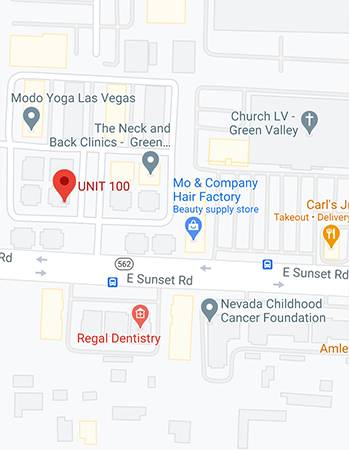
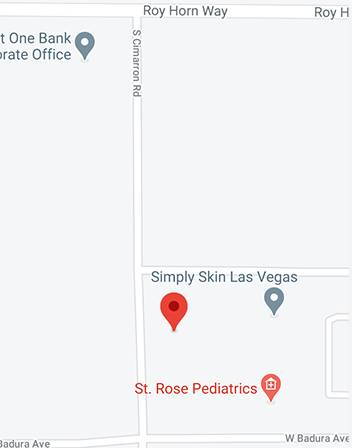
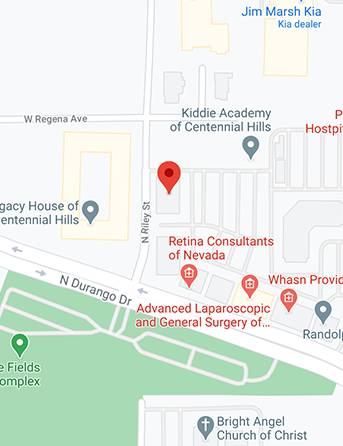
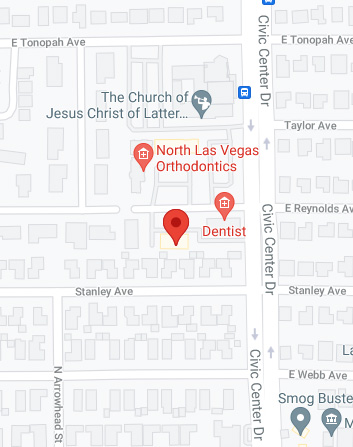
At Suarez Physical Therapy, you can receive evidence-based rehabilitation from our experienced physical therapists who understand the needs of critical illness survivors in Las Vegas, Nevada. Your physical therapist will assess your functional abilities and gait to identify areas that need improvement. A personalized strengthening program will then help you improve mobility, strength, and confidence in daily activities. Contact us today at 702-368-6778 to schedule your rehab consultation.